There is something about crossing an entire continent by rail that had been on my do-to-list for quite some time. I was restrained by fear not wanting to do it alone, in midst some very strong stereotypical idioms about Russia and Russian people. But, at the start of February, I took the chance, flew over to Sankt Petersburg and embarked on my Trans-Siberian Railway (TSR) experience. With more than 9000 kilometers from Moscow to Vladivostok the TSR is the longest railway in the world. Unfortunately I didn’t quite make the whole trip to Vladivostok due to my time frame, however I really don’t mind that because I already know I will definitely do it again. I am writing quite a fair amount in the I perspective, however I didn’t do this trip by myself. I was accompanied by someone who I had last met about 8 years ago. As mentioned, I was quite worried about doing the trip alone and the opportunity came up that he would join me. I am sure having a travel companion will make this trip a great experience, sharing the moment and never having to worry about being bored or alone, however, I unfortunately had to realize very soon that traveling with an almost stranger was one of the worst decisions I had made for this trip. At the end, I wish I had done the trip alone. I never actually felt unsafe or alone in Russia or the trains. Therefore, one of the biggest lessons I have learnt on this trip for me is: do not travel with just anyone because you think you shouldn’t be doing it alone! Because well, you are never actually alone. You do meet people and you quickly learn that most of the Russians you will come across have a very hospitable, welcoming attitude. I am pleased to say that Russia, its culture and people have done a great job proofing to me that my stereotypical attitudes towards them were not at all true.
Visa and Registration card
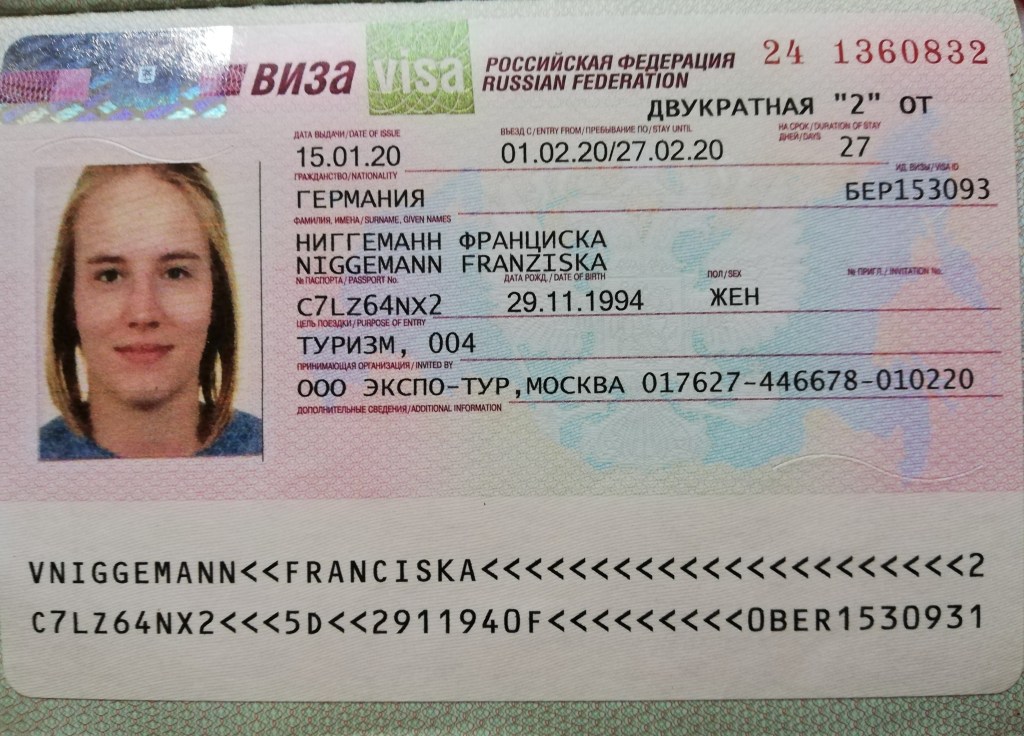
Most nations (including Germans) need a tourist visa to enter Russia, which requires specific documents (including an invitation letter). The visa is actually fairly expensive, which is why I decided to get support from an agency to make sure I will not make any mistakes and potentially f-up the whole trip. Make sure to plan enough time for the whole process before your trip (roughly 6-8 weeks before departure). In case you plan to do a detour to Mongolia and return back to Russia, make sure to apply for a double-entry visa! Choose the longest time period for arrival and departure (30 days max for the visa in Russia) so that you get the most out of your time in Russia. Try to be as certain about your first entry date as possible, other plans/dates/accommodation is fine if it changes throughout the trip though, they only want a vague idea of what your plans are.
- Fill in the pretty straightforward paperwork from the embassy (print and add two passport size photos)
- Order the invitation letter either from your hotel (if they do it) or the officially accepted Tour Operator Support Russia
- Send all necessary documents to either the Russian embassy or to your agency (like I did) to have them sort out the rest and make sure everything is filled in correctly
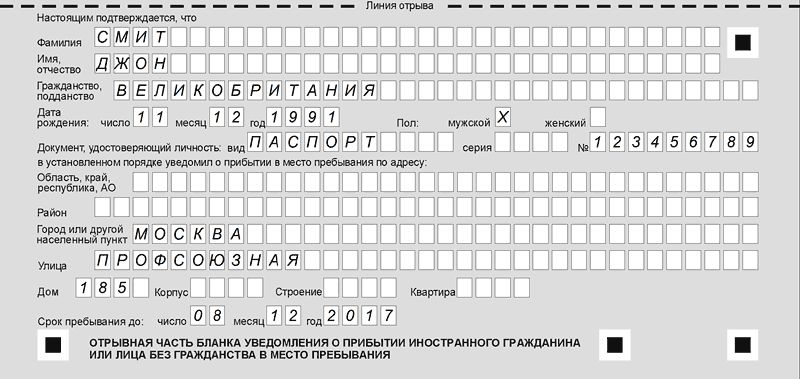
At the airport I received a so called Russian immigration card, that was without any mentioning or whatsoever placed like a loose leaflet into my passport and handed to me after custom checks. It was all in Russian language and I didn’t think much of it, if I needed it so for now, I just put it away. Lucky, that I kept it because this is actually a very important card that you will need for the registration on arrival at the accommodation. The registration is basically the process by which the Russian authorities are notified, after your arrival in Russia, of the place where they can find you if needed. The registration is always the responsibility of the host (your accommodation). Registration must be made no later than 7 working days from the arrival of the foreign citizen to the place of destination. The accommodation will request a passport and the immigration card at arrival and make photo copies of them. With that, they will then fill out a special foreign citizen arrival notification form.
Planning the route
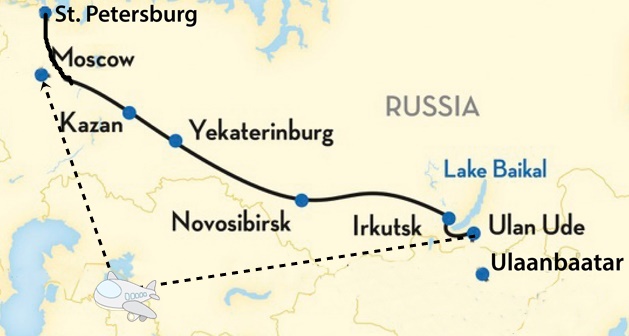
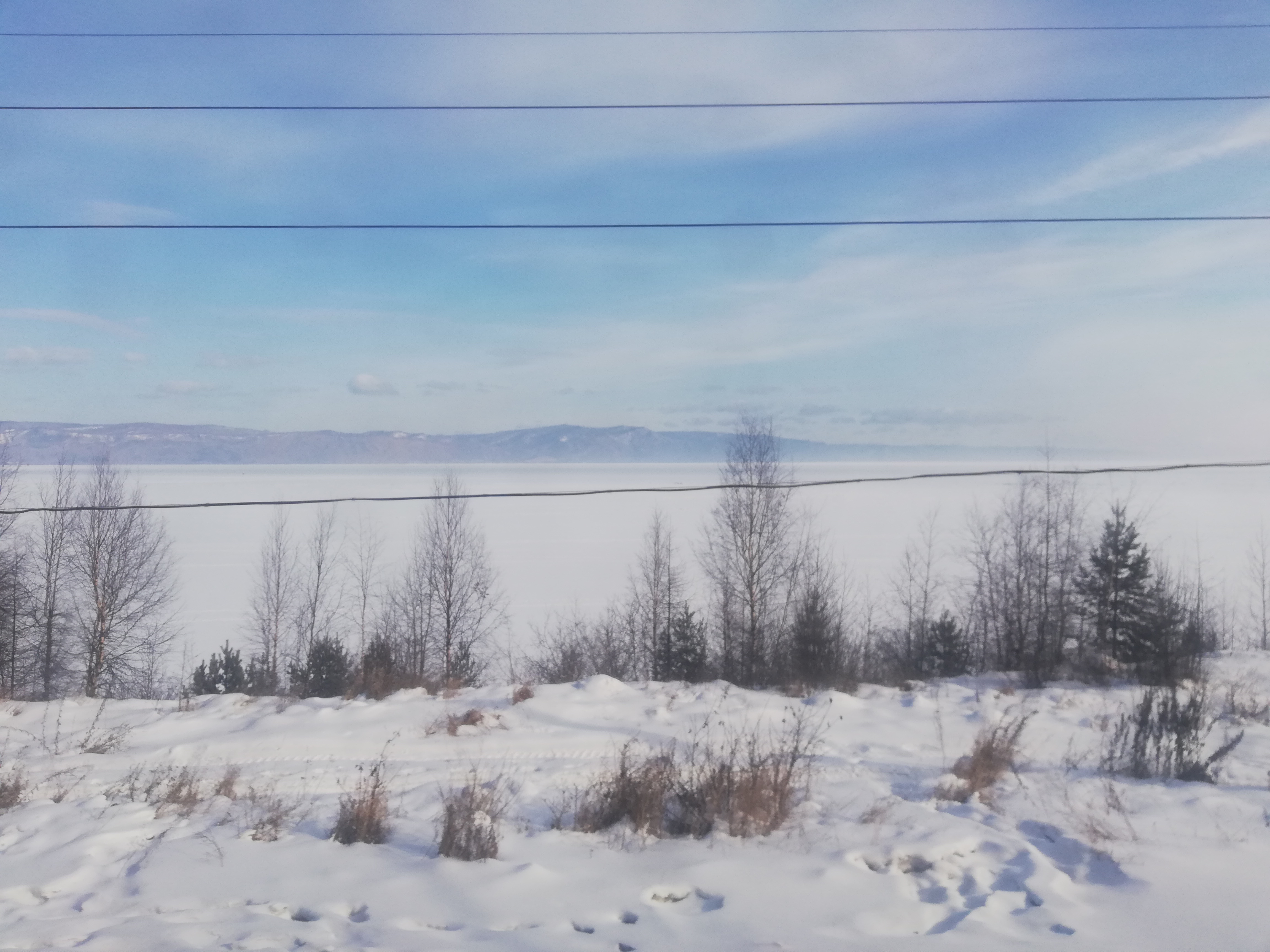
I had decided to fly to Sankt Petersburg and start from there, although technically it is not part of the actual TSR. Since there were no direct flights to St Petersburg, I decided to spend a few days in London prior to the trip. We had booked trains and accommodation for the first 1.5 weeks of the trip beforehand to secure some parts of the itinerary until reaching Irkutsk from where I wanted the freedom to decided to see what comes next as it wasn’t too easy to find tour operators and transport to get to Ulan Baatar, Mongolia, as we had initially planned to visit. One quickly learns: traveling in Russia is different. Everything is slower, and it is good to just go with the flow, because plans can change. You might meet people going the same way and you join them, or a local provides you with some inside tips which you will regret not being able to do because “ you already have everything else lined up”. It was good for the first parts, but the closer we got to Siberia, just being able to do what you feel like, to go where people recommended to go was so much nicer. Due to time restrains we never made it to Mongolia, however we ended up going to lake Baikal for a few days, which was one of the highlights for me. The TSR ended in Ulan Ude for us, where we then flew to Moscow for a weekend before heading back to Germany. The trains run all-year round, but the summer months are definitely considered as the “high season” of the Trans-Siberian Railway, which also means it is more touristy and you will probably have to prebook it all in advance. I chose winter time because I just wanted to experience the icy cold, travel when it is less crowded – and I loved it. Especially Lake Baikal (which apparently is also gorgeous in summer) was the highlight. Never have I seen such landscape, snowflakes and ice grottes. It is possible to travel from Moscow all the way through to Mongolia and Beijing in 6-7 days without any break, but I certainly wouldn’t recommend it – you won’t see anything and (unless you love trains) you’ll hate being on it 24/7! To get the true Trans-Siberian Railway experience, break up your journey into various legs. I definitely recommend St Petersburg, Kazan, Irkutsk, Lake Baikal, Ulan Ude and Moscow. Yekaterinburg and Novosibirsk however, have not quite impressed me. Yekaterinburg was nice to go and explore out to the Europe-Asia border, if you are interested, but for my taste is not a complete must do (There will be a more thorough post on the cities and accommodation).
What I packed, what I didn’t need and what I wish I hadn’t forgotten to take
I travelled with my 60+10L backpack, a small 12l day pack and my camera on this trip. At some days it seemed rather full, however I was happy with being able to change my clothes without having to wash much since we never stayed longer than 48 hours in one place to be able to dry them properly. I brought a quality sleeping bag for minus temperatures (which was way too warm as I completely overestimated the temperature in the train at around +25 °C) and realized that booking the train ticket including linen would have been a lot smarter and not actually expensive at all. A pair of winter boots and hiking boots in case I needed a spare pair (which I didn’t), a foldable air mattress which I thought I might need for the train, but they always had mattresses. I brought a warm winter sweater (hand knitted Norwegian sweater) which I had only worn once for “the” photo. I brought a warm winter jacket long enough to cover over my hips, two sets of gloves and hats and a pair of ski pants for those icy days. According to my research it was normal to reach -40 °C in Siberia, however it was a mild winter and we barely reached the -20. I know, it still sounds freezing, but surprisingly it is a different cold than what you expect. It is not a wet cold; it means just cold temperatures and wind but so much sun light that only after a while outside you would get a tingly feeling in fingers and toes. Only once, after 4 hours out on the frozen lake at Baikal, I had the feeling that I would return with stumps on my hands and feet because I lost the feeling in fingers and toes. I therefore had expected to wear the ski pants more often but ended up wearing my thermals. Other than that, a few change of clothes, tops, long sleeve shirts and pants. I had a travel mug which was essential for the train to get hot water for soup, instant noodle and tea. I had unfortunately made the mistake of leaving my slippers at the doorstep at home, which I definitely really missed and needed on the train as well as most hostels, which have a shoe free zone.
Life inside the train
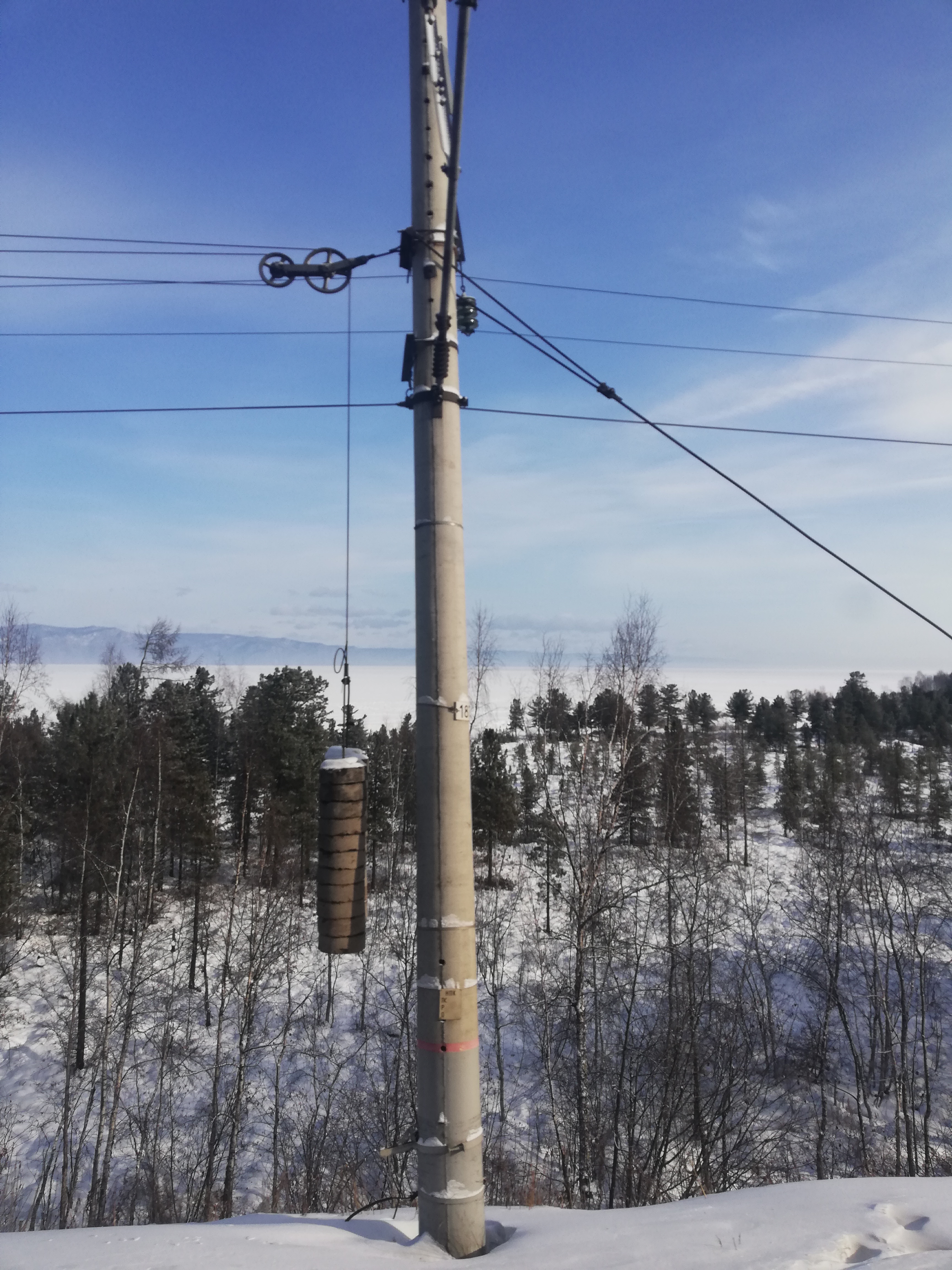
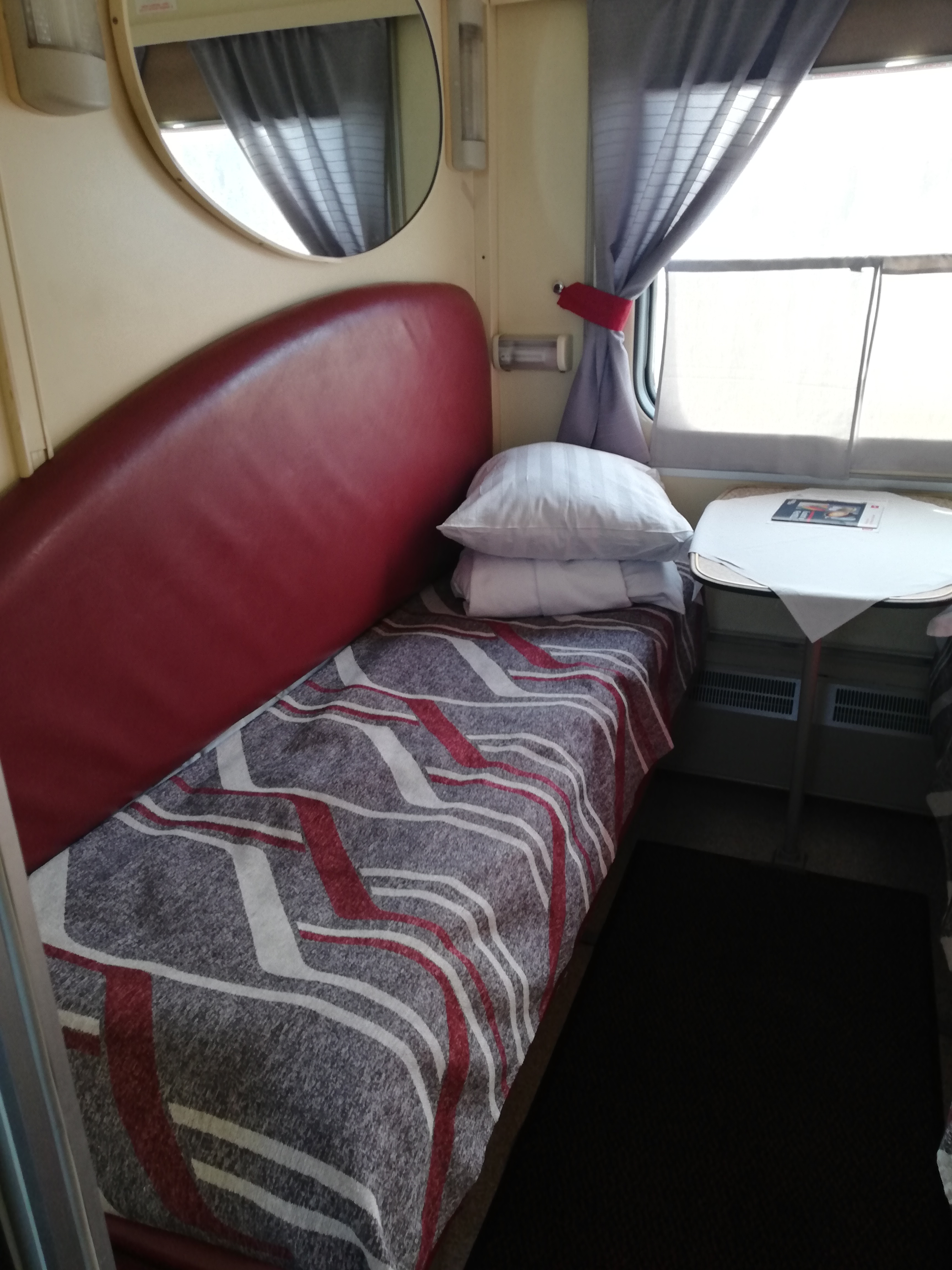
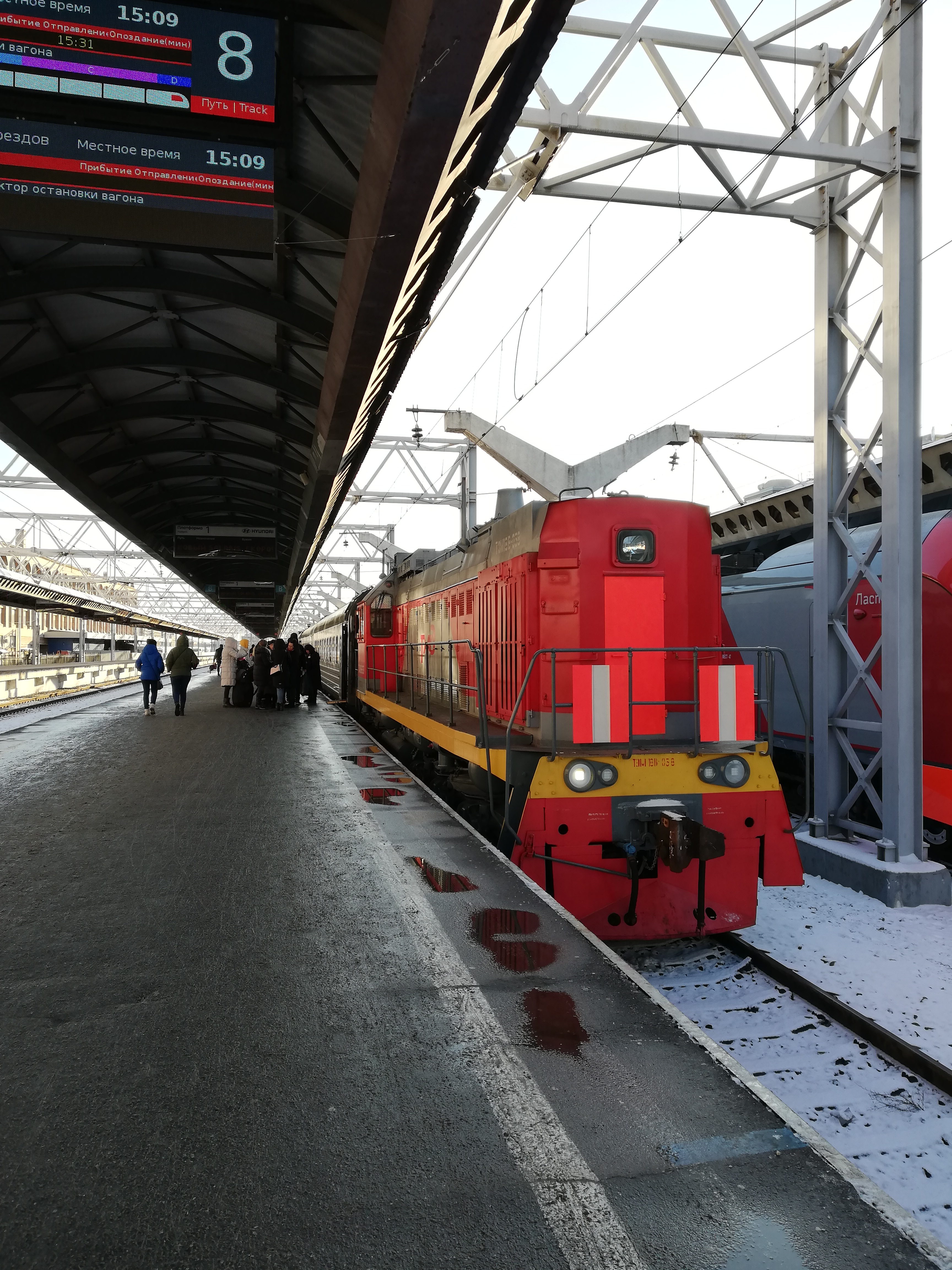

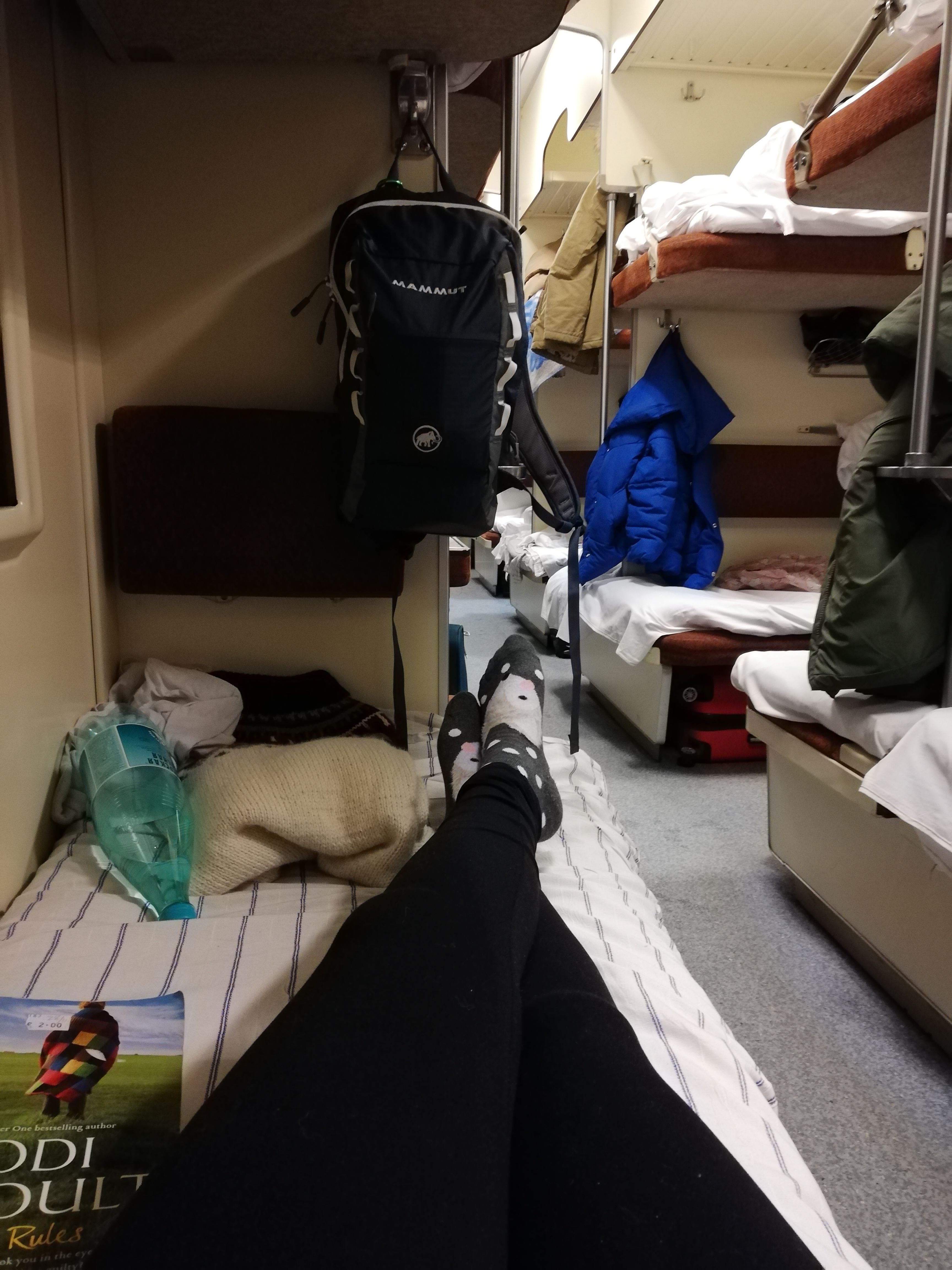


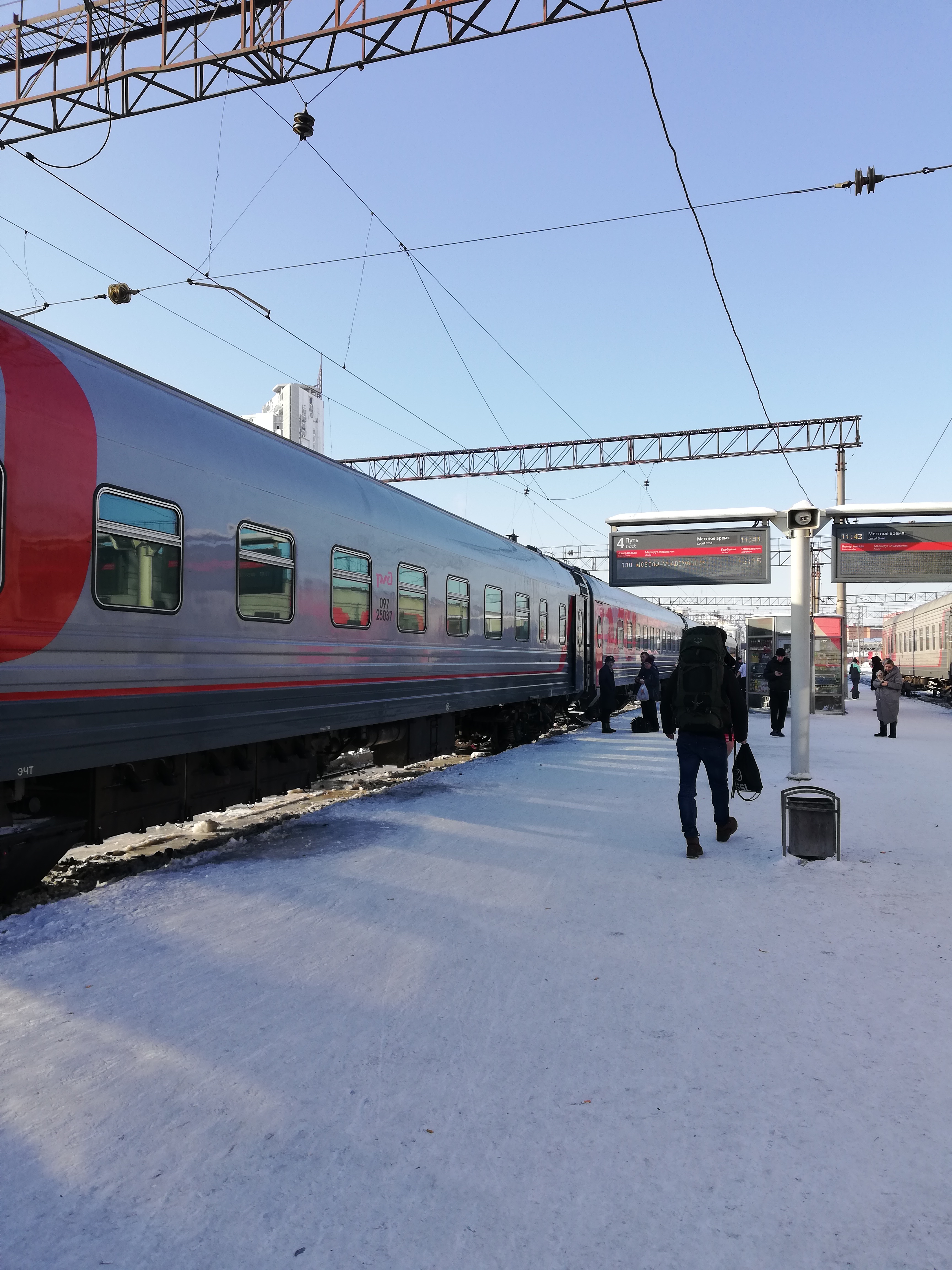
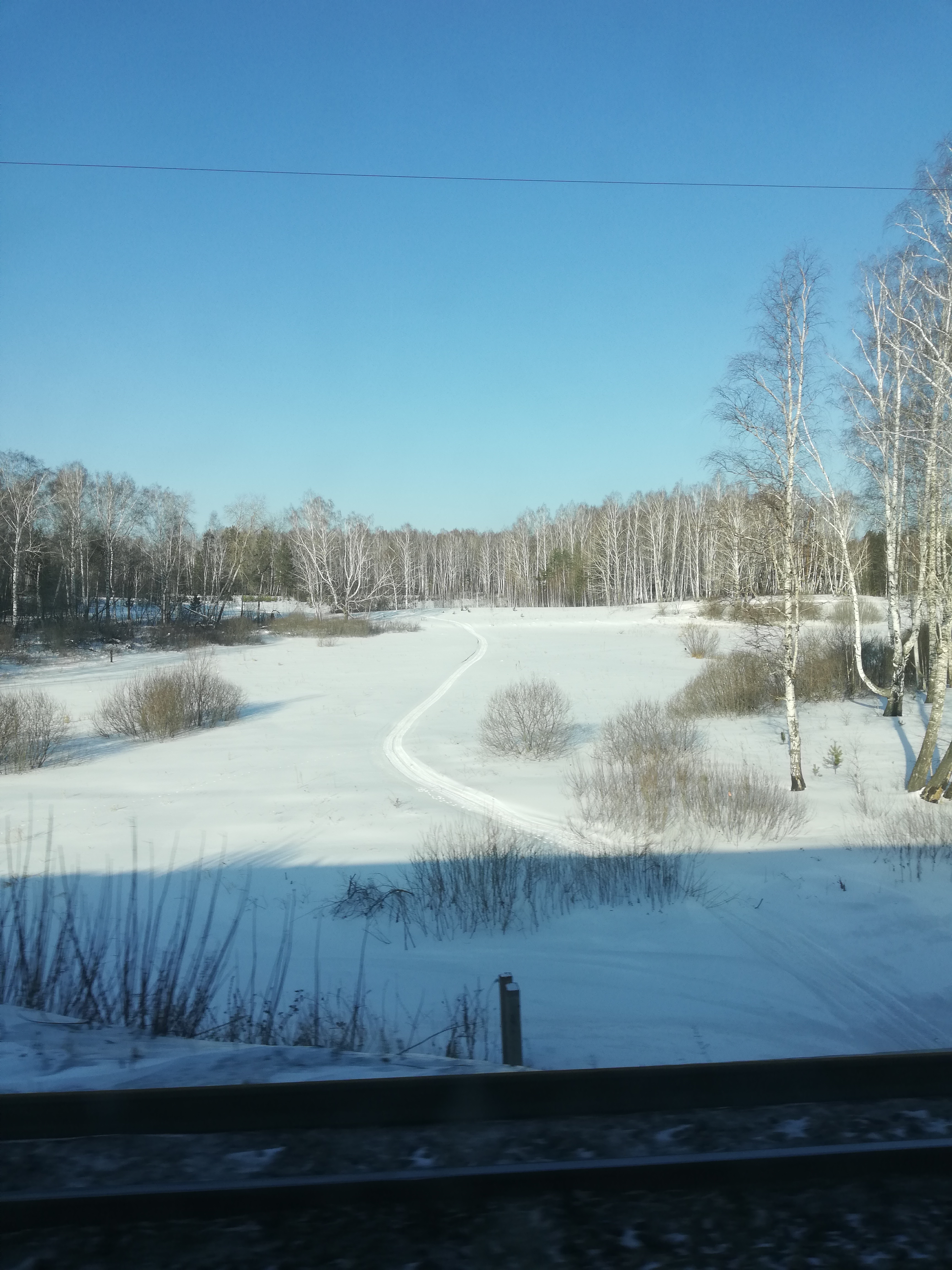
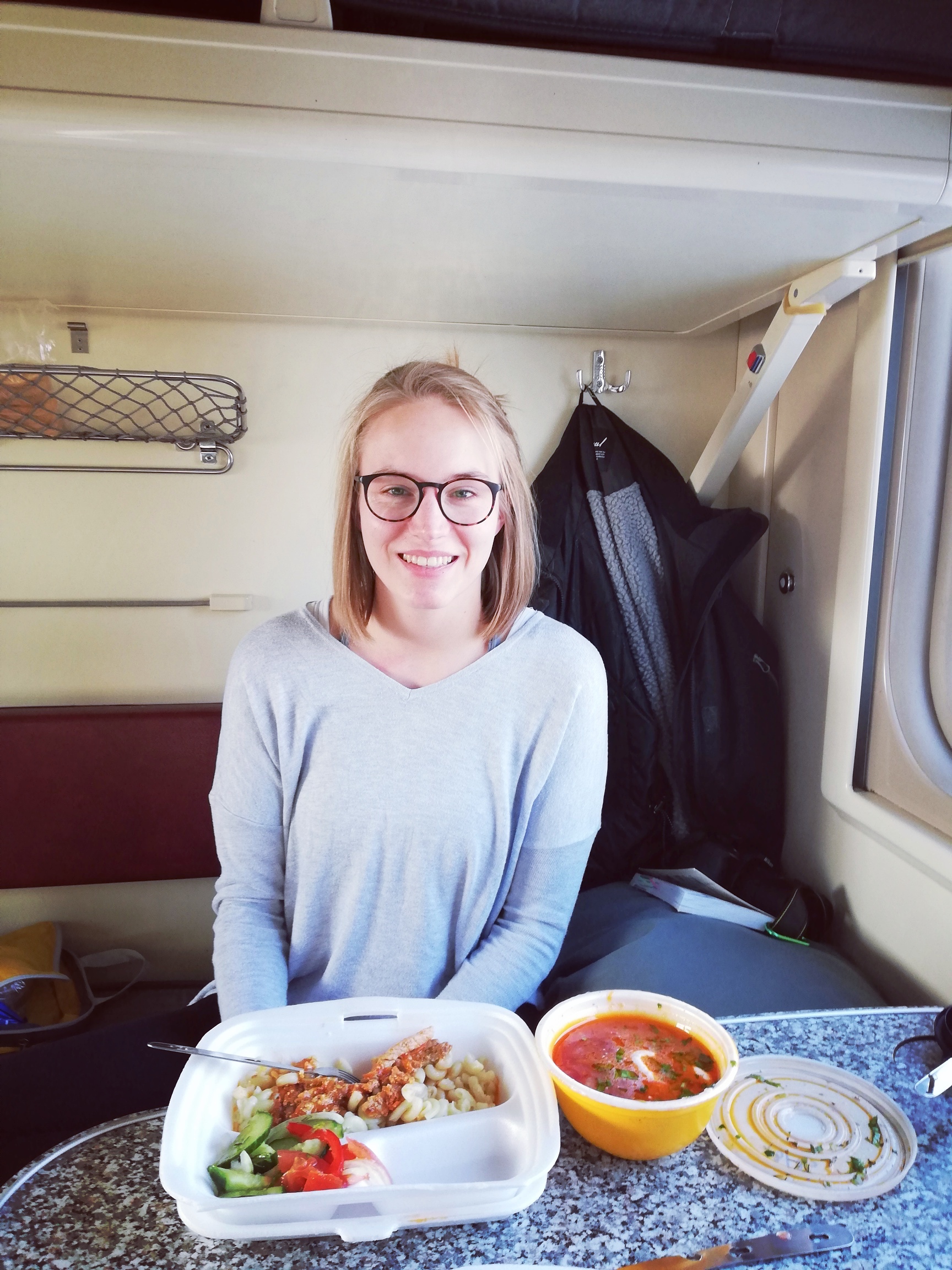
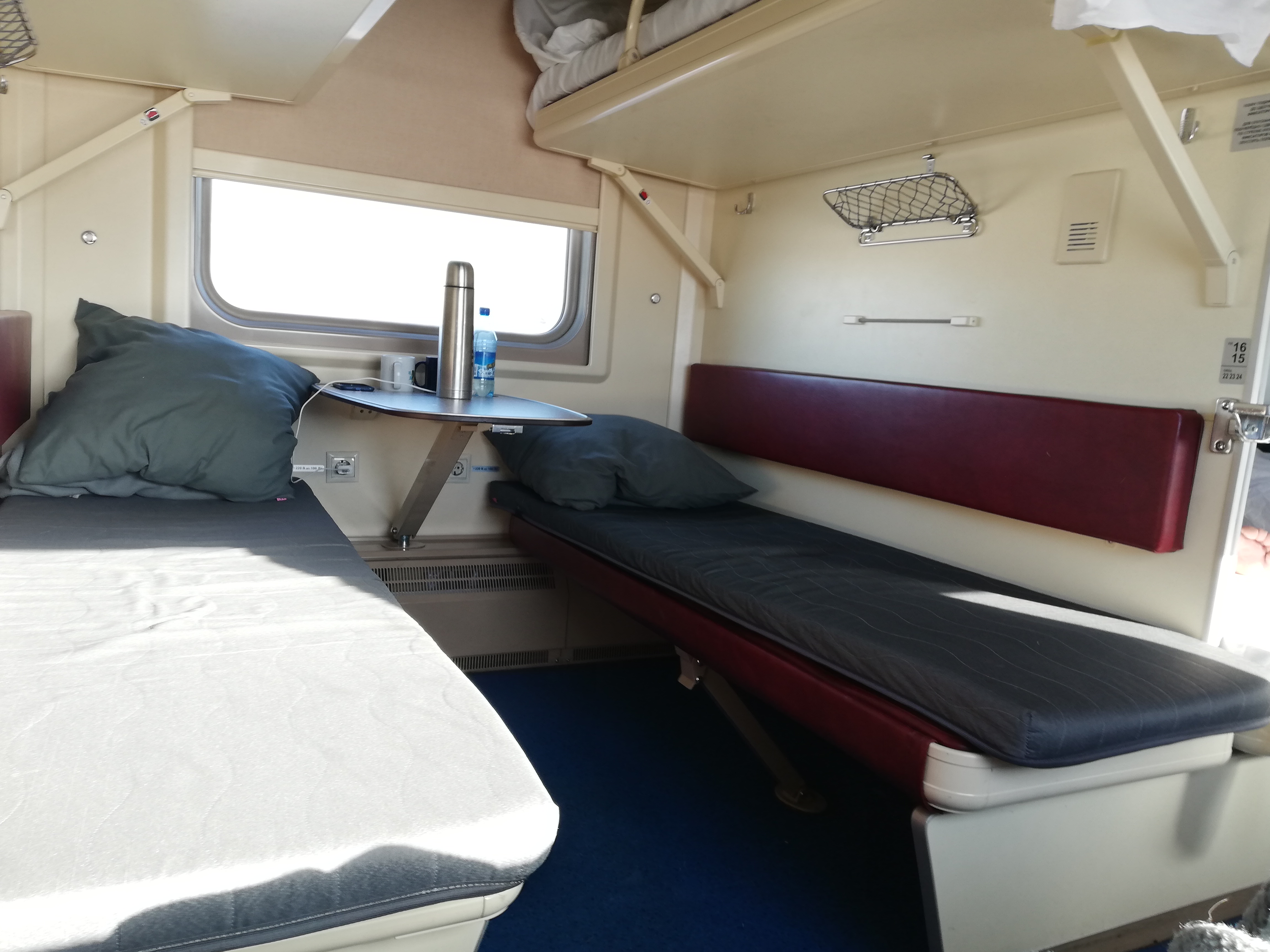
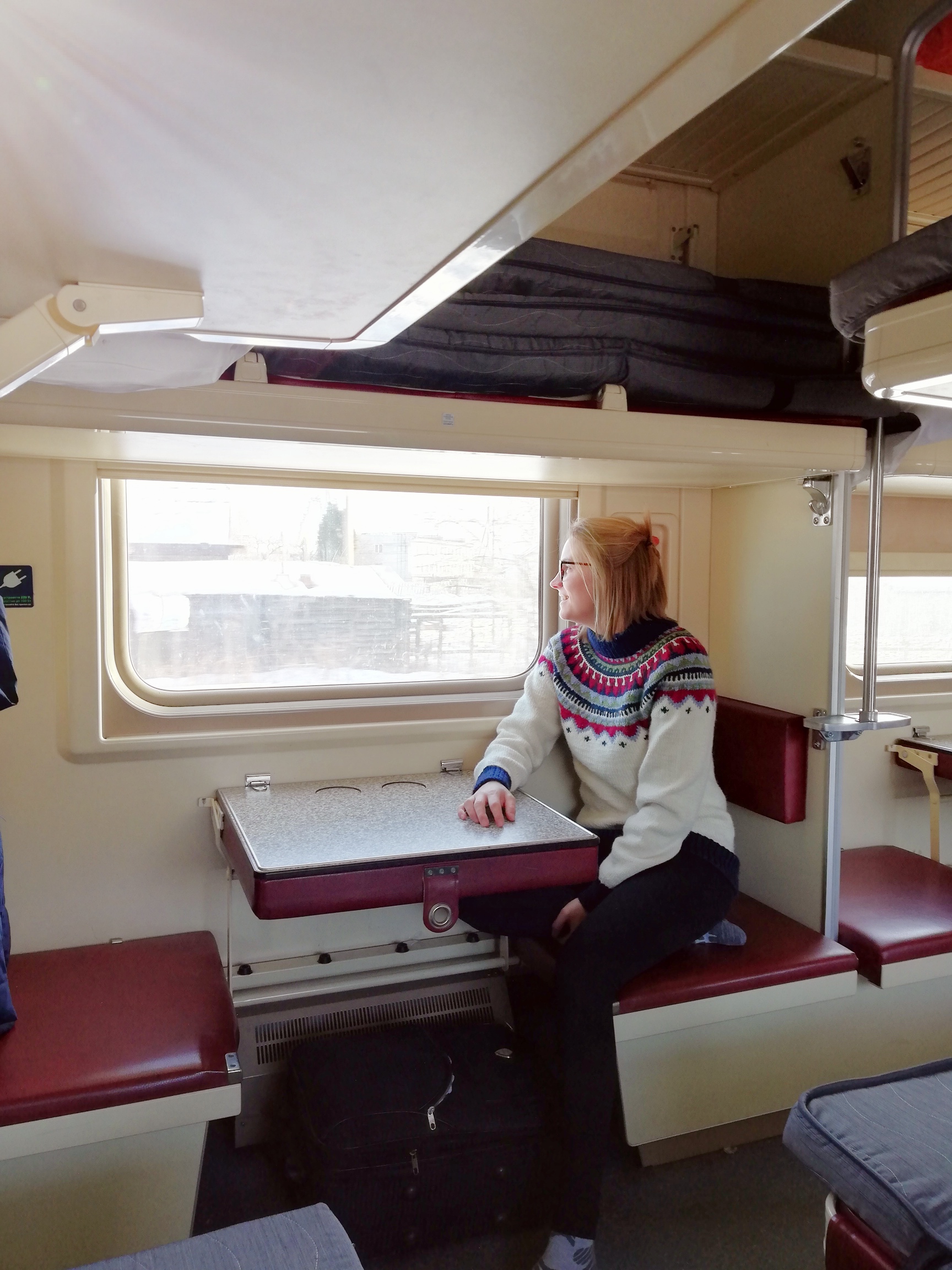
Full disclosure, I did not travel just on the transsib (which is equivalent to the 100з) due to the timetable. Most of the times we just took other regional trains, even less touristy, because it allowed us to have better transit times in different cities. In total we got off the train five times. We spent overnight stays in the cities of Kazan, Yekaterinburg, Novosibirsk, Irkutsk/Olkhon Island and Ulan Ude. There are three classes: 1st class, 2nd class, and 3rd class. The difference is in the amount of beds within a compartment. A 1st class compartment has two beds, a 2nd class has four beds (top and bottom), and a 3rd class has fours beds + two extra beds next to the outside hallway. In 1st and 2nd class you can shut the door of your compartment to get some privacy, whereas, in the 3rd class, everything is open. I always traveled third class; however, I have attached photos of the first and second for you to get a direct comparisons. I was told by fellow travelers, that second is less Russian locals which also makes it a less authentic experience. I did like visiting second class though on the last leg just to get some fresh air and silence. Every train station I walked into had a security scanner that was used just as the ones at the airport. You drop all your belongings on the scanner belt and then put everything that you have on you or in the pockets on you in a little container next to the human scanner. You walk through, collect your things and make your way to your train track. At the track you will find your train. Every compartment has a number placed near the entrance door. Once you found your compartment, show your ticket and passport to the instructor and enter. Right at the front of the compartment is the hot water boiler where everyone gets the water for their hot drinks, soups and quick food. Usually the bathrooms and toilets would be at the end of each compartment train. I booked my train tickets on the Russian train website RZD.ru. Be careful with the train departure and arrival times, most of them are displayed in Moscow UTC time, even though you will be changing time zones. On the trains, a cleaning lady comes and cleans the floor after every stop at a train station, which means you do receive some awkward judging looks if you are wearing your dirty, wet outside shoes inside the train compartment where others will most likely spent 6-days “living and sleeping”. Bring plenty of food for the time on the train. Only the actual TSR has a food and beverage compartment that is beautifully decorated and a more social hub where you can sit and order food and drinks. When booking the train, I would always choose a bottom bed. I loved the bed (lateral window bottom) that can be transformed from two seating spaces and a table into one bed. I didn’t mind the little space, which for even taller people than me might be a bit crunched to sleep in, but overall, I was surprised how well I slept on the trains. The more time you spend on the train, the more you forget about all the different smells of food and people in the compartment. Apart from the constant +25°C in the wagon, and not being able to open a window, you get used to it. Mind however, I would not want to spend more than 3 days in a row here. It should be mentioned nevertheless, that somehow it was normal that the ones who booked the upper bed can always use the bottom beds to sit on and use the table. It would be without discussion that its a shared place, and if the bottom bunk person wanted to go to bed, they would tell them and then the top person would vacate the space. That came as a surprise to me. I would have assumed, the one paying more for the bottom bunk will obviously have the privilege of using it on his own. So its up to you which bed you prefer. If you are like me and prefer to have the full window view, get a bottom, but if you dont care as much and will only sleep or watch Netflix anyway, then maybe get a top bed to not be disturbed.
I really enjoyed being able to stop in different cities and stay in a hostel for a night before departing again to the next city. I wish I had been more consistent on learning at least a little more Russian beforehand, because it would have made the whole journey even better. Although most Russian we met really tried with hand and foot to communicate, you could always just assume what they were trying to say. We met some that offered us homemade Vodka and cake. Barely one on the train spoke English, but you still somehow manage to have a good time, which is part of the experience, right? At least I was able to say
- Hello (privet)
- Thank you (Spasibo)
- I am German/Germany (Ya nemets/ Germaniya)
- No russian (ne russkiy)
- Goodbye (Dosvidaniya)
To my surprise, outlets for charging electronic devices could be found with every booked bed in the train, so you never had to worry about running out of battery, which you certainly need for an alarm clock at the right time, since holding on to the known arrival time for your stop is sometimes the only way of knowing where you are. One of the most fascinating things for me was how accurately on time the trains where. We would travel for 20so hours and still every train we took was on time. That indeed is something that the Deutsche Bahn could take their lead from. Sometimes, the train hostess would come by and tell you in Russian that its only 30 or 20 minutes until we reached our stop, however if you don’t know what they are saying, we have had several occasions worrying about missing our stop to get off. I was all prepared with my offline Google maps, which also took me by surprise to realize, that Google Maps often didn’t work, or didn’t cover GPS therefore my GPS tracker didn’t move from the last city we departed. Apparently, Google has not really been a thing in Russia until the World Cup a few years ago, which is why some services don’t work too well and Russians usually use the “russian google” Yandex.
The Trans-Siberian Railway in a nutshell
- Decide on which way you want to travel but do not book everything in advance (you will most likely regret having made stiff plans unless its busy high season)
- Try and travel light
- Stop along the way – definitely a stop to Lake Baikal
- Travel 3rd class for the real experience, maybe parts in second class to get some rest
- Bring lots of food and entertainment
- Get used top the time and trains being shown in Moscow times
- Be open to connect with locals althouhgh you are never sure what they are saying. Just accept their kindness and read up on the Russian culture, how to behave in the train
- Bring slippers!
– Franzi 🙂
 Franziska Niggemann
Freue mich sehr darauf von dir zu lesen und auf deine tollen Bilder 😍
LikeLiked by 1 person
Sehr schön 👏 macht Lust es mal aus zuprobieren 😊 freue mich auf mehr!!
LikeLike
Another wonderfully informative piece, thank you so much.
I always travel alone and I find it much better that way. If you are with someone then you tend to just converse with them in your own language but if you are alone you are pushed more towards interacting with others.
Reading your wonderful blog I want more than ever to do this now and I’ll remember my slippers!
LikeLike